This May, nearly half of New York City’s buildings will have to start reporting their operating carbon emissions with the Department of Buildings to comply with Local Law 97, the ambitious legislation aimed at getting buildings to Net Zero by 2050. When the law was passed in 2019, Brooklyn-based developer Alloy was just beginning to design its 505 Street project, and that motivated the team to think differently about what they could build on-site.
“When it was clear everybody was going to use fiber optic cable lines, you wouldn’t put copper telephone wires in your building,” Alloy president AJ Pires told our writer Diana Budds. “That’s backwards.” Instead, Alloy forged forward, developing both New York’s first all-electric skyscraper and the city’s first Passive House–certified public school.
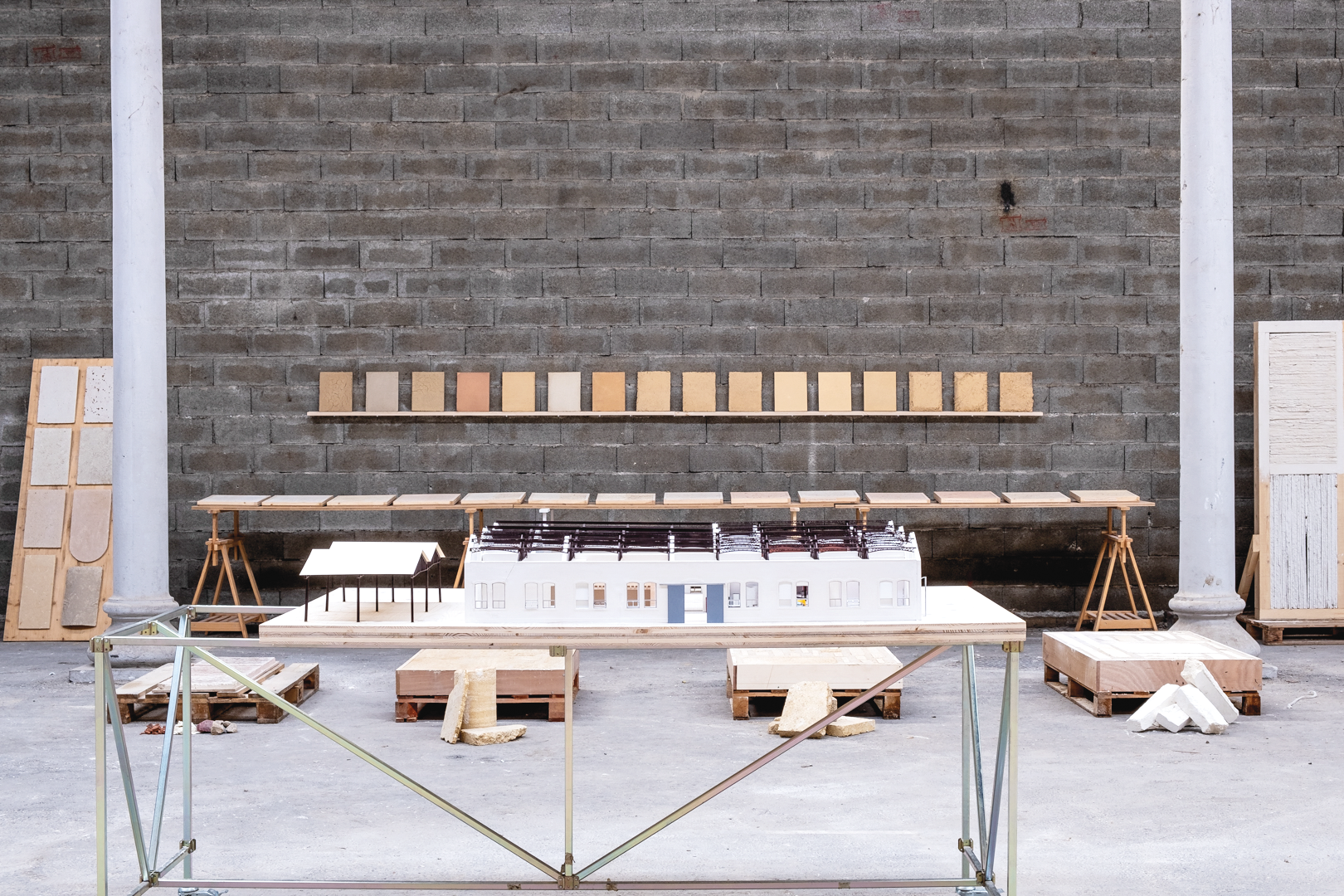
This spirit of leapfrogging over business-as-usual drives all the changemakers profiled in this issue. In Switzerland, Barbara Buser is radically reusing buildings and materials to show the city of Basel how it can continue to develop, slash carbon emissions, and deal with construction waste all at once. At the Mellon Foundation, Justin Garrett Moore is providing funding to cities and community organizations that want to use the power of place and space to preserve memories, heal relationships, and imagine a better future.